A Designer's Take: The Flower Coloring Book for Professional Projects
First Glance: A Touch of Handmade Warmth
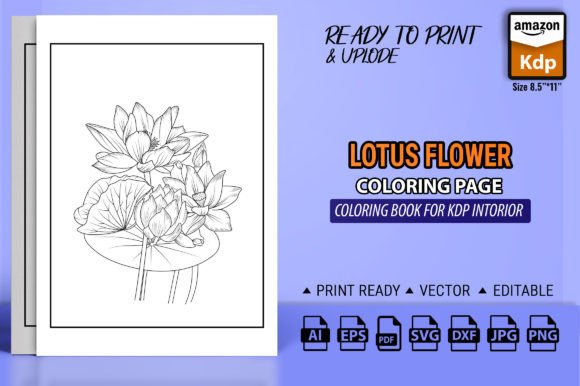
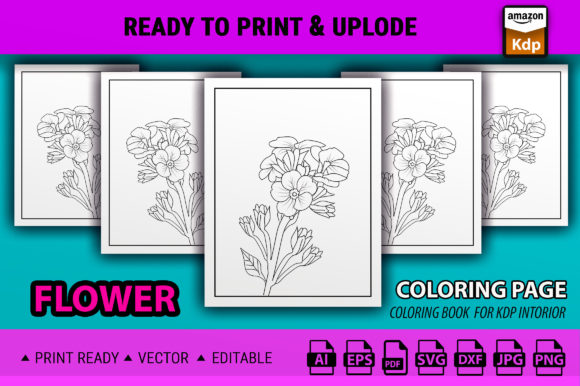
Opening the Flower Coloring Page and Book asset, the immediate impression is one of accessible, friendly artistry. The floral illustrations carry a gentle, illustrative quality that feels less like rigid clipart and more like a sketchbook collection. This isn't a harsh, geometric vector set; it evokes a mood of craft, creativity, and organic growth. It naturally fits projects for clients who value a handmade aesthetic—think boutique product lines, local event promotions, Etsy shop branding, or any small business wanting to communicate warmth and approachability.
The Right Project: Where This Asset Flourishes
In a recent project for a client launching a line of natural soaps and bath products, we needed visual elements that spoke to botanicals without being overly scientific or corporate. This Flower Coloring Page and Book collection became a foundational graphic design asset. Its style lent itself perfectly to supporting brand elements across various mediums.
It excelled in:
- Packaging design: Individual flowers worked as elegant, scalable details on product labels and wrap.
- Social media graphics: Clusters of blooms created instant, engaging backgrounds for Instagram posts and Pinterest pins announcing the product launch.
- Printable designs: The 8.5x11 inch format made it seamless to adapt for in-store promotional flyers and workshop invitations.
- Decorative accents: For website graphics and blog visuals, these illustrations provided textured, non-distracting elements that broke up text-heavy sections.
- Themed collections: Because the asset offers a variety of flowers, we could build a cohesive visual campaign across packaging, digital ads, and even simple merchandise like tote bags and mug mockups.
Considering Scale and Application
The vector nature of the Adobe Illustrator files is a significant advantage for commercial design work. For the soap client, we could resize individual elements infinitely without quality loss, using them as large hero graphics on a web banner or as tiny, intricate details on a sticker design. This scalability makes it a versatile choice for both large layout areas and more detailed decorative applications.
Practical Designer Checks Before Client Use
Before committing any design asset to a real client project, rigorous testing is non-negotiable. Here’s how I evaluated this one.
- Format & Editability: The available vector formats allowed direct editing in professional software, crucial for adjusting line weights or combining elements for a unique logo design or brand identity mark.
- Contrast & Adaptability: I tested the elements in black and white for potential use in more minimalist contexts and placed them on both light and dark backgrounds in mockups to ensure readability held up.
- Size Testing: Previewing at very small sizes confirmed that more intricate blooms might lose detail, suggesting their best use is at medium or large scales, not as tiny icons in crowded layouts.
- Style Compatibility: I compared the illustrations alongside various font styles. They paired beautifully with a clean sans-serif for modern contrast and with a subtle script font for a cohesive handmade feel. A bold display font could overpower them.
- Commercial License: Verifying the license for commercial use in client work, print-on-demand, and digital products is the first and most critical step—never assume.
Where It Might Require Careful Handling
This asset’s strength is its illustrative texture, which also dictates its limitations. It should be used carefully in certain professional design situations.
- Complex Backgrounds: Placing these detailed flowers over busy patterns or textured photos can destroy visual hierarchy and make the overall composition feel chaotic.
- Ultra-Minimalist or Corporate Projects: For a brand requiring stark, clean visual trust—like a financial tech startup—this style would feel incongruous and potentially undermine professionalism.
- Small Size Applications: As noted, fine details can vanish when scaled down too much, making them unsuitable for, say, footer icons on a website or very small text annotations.
The Impact on Brand Perception
Incorporating the Flower Coloring Page and Book into a client’s visual ecosystem affects more than just aesthetics. It influences emotional appeal and audience engagement. For our natural soap brand, it reinforced a narrative of care, organic ingredients, and artisanal creation. It helped the final result feel more polished and cohesive because the asset provided a consistent visual thread from the physical packaging design to the digital marketing visuals. This consistency builds brand recognition and trust.
A Versatile Tool for the Creative Marketplace
Ultimately, this is more than a kids' coloring book interior. For designers, brand owners, and content creators, it’s a flexible bundle of illustrations ready for professional adaptation. Its value lies in its adaptability: it can be a source for sublimation designs, a base for building Cricut projects like cut vinyl decals, or a core component in a Canva template for a client’s social media kit.
From a practical design judgment standpoint, the Flower Coloring Page and Book asset proves its worth when the project calls for warmth, craft, and botanical charm. It requires mindful application regarding scale and context, but with those considerations in place, it becomes a powerful tool for elevating the visual mood of a handmade business, a seasonal campaign, or any small business branding effort seeking a genuine, creative touch.