Expert Review: Monkey Graphics as Adult Coloring Pages
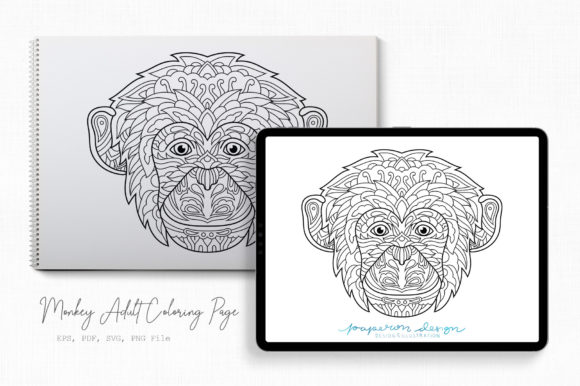
In the daily workflow of a digital publisher, a design asset is judged first by its mood. When I loaded the Monkey Adult Coloring Page, the immediate impression was one of playful sophistication. The lines are clean and intricate, suggesting a mindful, artistic activity rather than a simple child's pastime. It creates an editorial tone that is lifestyle-focused and slightly whimsical, perfect for niches surrounding wellness, creative hobbies, adult leisure, or educational content about primates. This isn't a juvenile graphic; it feels decorative and modern, lending a polished, intentional vibe to any page it graces.
The Editorial Mood: From Blog Posts to Pinterest Boards
This monkey graphic design asset communicates a specific kind of calm engagement. For a blogger writing about stress-relief techniques or mindfulness, this coloring page as a featured image immediately signals a hands-on, creative solution. It builds reader trust by presenting content that looks thoughtfully crafted, not hastily assembled. In a world of generic stock photos, a unique printable design like this makes your website presentation stand out. It supports a visual identity that is both artistic and accessible.
Real Publishing Workflow: Where This Asset Earns Its Keep
Imagine preparing a content upgrade for a post on "Artistic Meditation Techniques." The Monkey coloring page for adults becomes the core of your lead magnet—a downloadable PDF guide. Its EPS and SVG file formats mean I can seamlessly integrate it into a Canva template for a digital product cover or a newsletter banner, ensuring brand consistency. For an affiliate marketer promoting coloring supplies or creative subscriptions, this graphic serves as a perfect, clickable visual in a sidebar or within an article, enhancing click-through potential.
Specific uses in my publishing projects include:
- Blog featured images with headline text overlaid on the clean areas.
- Pinterest pins specifically designed for the "adult coloring" community, using the PNG for quick composition.
- Hero images for website pages dedicated to downloadable resources or creative categories.
- Internal graphics within editorial layouts to break up text and maintain visual hierarchy.
- The foundation for a complete digital guide or worksheet, exported as a high-quality PDF.
- Social media previews and Instagram posts that tease a free printable, driving engagement.
- Category thumbnails for a "Creative Printables" section on an affiliate blog.
- Simple, elegant backgrounds for email newsletter headers.
Performance Boost: Why This Asset Supports Better Content
Using a strong, intentional graphic like this monkey page directly impacts content performance. It creates a stronger first impression, telling the reader your content is valuable and professionally presented. It offers clearer visual hierarchy on a page—the graphic itself becomes a focal point that guides the eye. For content marketing, this leads to better category recognition; visitors instantly understand the topic. It elevates the entire page, making your affiliate content visuals or downloadable resources look worthy of a click and a download.
Optimal Placement & Where to Use With Care
This design asset works best in spaces where its detail can be appreciated. It shines as a large hero image, a full-width article thumbnail, or a dedicated Pinterest graphic. It's excellent as the centerpiece of a content upgrade or a media kit for a creative entrepreneur. However, practical publisher notes are crucial. Its intricate lines mean it should be used carefully in very small mobile thumbnails, where detail may vanish. On text-heavy blog images, ensure the background area you overlay text on has sufficient contrast—test it with both serif and sans-serif fonts for readability. It may feel out of place on serious corporate content websites that demand a minimal visual system.
A Creator's Checklist Before Publishing
Before I push any asset live, I run a series of tests. For this monkey graphic, I would:
- Preview it inside a real blog layout template, checking balance with my usual typography.
- Test it on desktop and mobile screens, observing how it scales.
- Check how it looks as a 150x150 pixel thumbnail for recent post widgets.
- Place headline text over it using bold, script, and display font styles to ensure readability.
- Review the PNG file size for web performance and compress it properly if needed.
- Crucially, confirm the commercial license allows use on my monetized website, affiliate pages, and within paid digital guides.
The availability of EPS, PDF, SVG, and PNG formats is a significant advantage for a blog designer. The vector files (EPS, SVG) allow limitless scaling for large format prints or website headers without quality loss, while the PNG is ready for immediate social media graphics use. This flexibility makes it a versatile purchase from any creative marketplace.
Final Thoughts on Visual Communication & Branding
Ultimately, a graphic like the Monkey Adult Coloring Page is more than a drawing; it's a tool for visual communication. For small business branding in the creative space, it adds a layer of professional polish. It helps turn a simple blog post into an authoritative editorial piece and a casual Pinterest board into a curated collection. By integrating such thoughtful design assets into your web design and editorial design, you build a content ecosystem that looks cohesive, trustworthy, and clickable—the fundamental goals of any successful digital publisher.