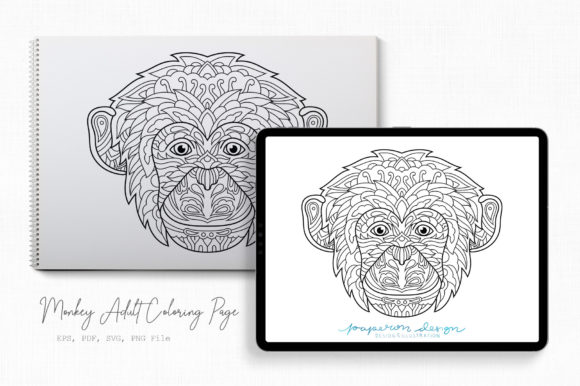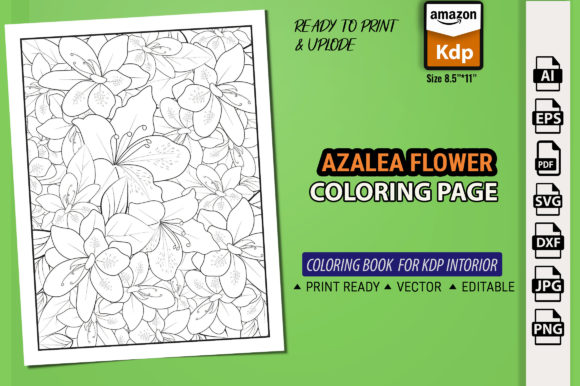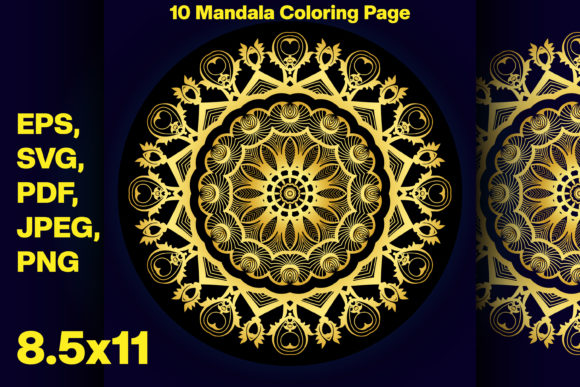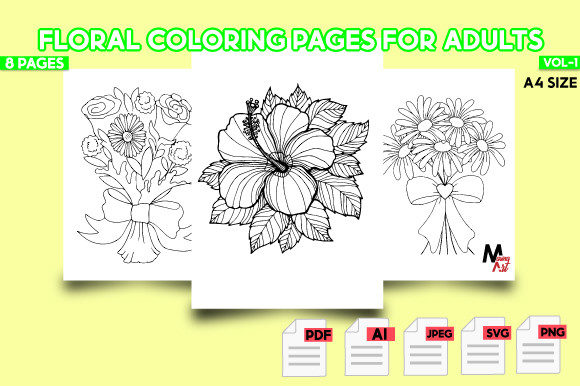
A Practical Review of Trippy Organic Pattern Coloring Pages
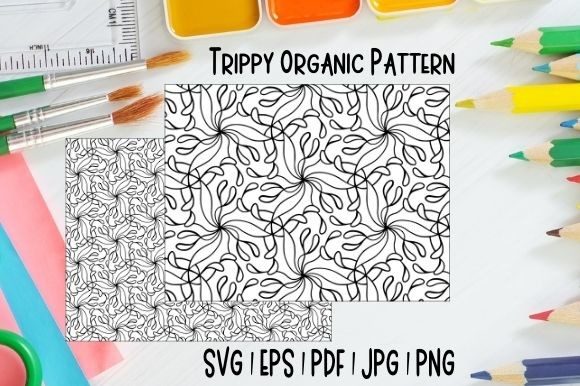
I’m in the middle of preparing a new collection for my Etsy shop, looking for a graphic design asset that can add some visual personality to my digital product lineup. Opening the files for Trippy Organic Pattern Coloring Pages, my first impression is one of playful, free-flowing energy. The patterns have a distinct organic, almost psychedelic vibe—they feel modern and decorative, with a niche appeal that leans towards a creative, perhaps younger or artistically-minded audience. It’s not cute or rustic; it’s bold and decorative, perfect for projects aiming for a hand-drawn, artistic feel.
The Versatility of This Digital Product for Selling
From a seller’s perspective, the immediate question is: what can I build with this? The description mentions using it in coloring books on KDP or for printing and crafting projects, importing into apps like Procreate. That’s a good start, but the commercial potential is wider. For my shop, I see several clear paths.
First, as SVG designs and PNG designs, this set is a solid foundation for print-on-demand merchandise. The organic lines translate beautifully to t-shirt graphics, tote bag prints, and mug designs. The patterns could work as full-wrap designs for tumblers or as focal points. As clipart or part of a larger design bundle, they can be paired with other elements to create greeting cards, invitation templates, or digital paper packs for scrapbooking kits.
For the digital download market, these are perfect as standalone printable wall art or integrated into Canva templates for social media graphics, blog graphics, or even packaging design elements for a small business branding kit. The "coloring page" angle opens up direct sales on platforms like Creative Fabrica or Etsy as part of a coloring pages amp category—sell them as-is for coloring apps, or use them as the base for creating your own branded coloring books.
Where This Asset Strengthens Product Presentation
A key part of selling online is presentation. Trippy Organic Pattern Coloring Pages can significantly enhance the perceived value of a listing. When used in product mockups, these patterns create visually engaging previews. Imagine a mockup of a journal with one of these patterns on the cover—it immediately tells a story and establishes a mood. This boosts thumbnail appeal and click-through potential.
For building a cohesive seasonal collection or a themed design bundle, these graphics offer a consistent visual thread. You could create a series of planner stickers, nursery prints, or social media templates all using variations of these patterns, strengthening your brand identity and customer trust through visual consistency. In large product previews or on marketplace listings, the intricate details look premium and handmade, which is exactly what many buyers in creative marketplaces are searching for.
Testing the Design Before You List
Before I publish anything, I run practical tests. Here’s my checklist for this asset.
- Mockup Reality Check: Drop the pattern onto a real t-shirt design mockup and a mug mockup. See how it scales. Does it look balanced or overly busy?
- Thumbnail Test: Simulate how it looks as a small Etsy product thumbnail. Intricate patterns can become muddy at tiny sizes.
- Background Contrast: Preview it on both white and dark backgrounds. Some organic lines might disappear on a dark background if the contrast is weak.
- Print Test: If selling as a printable design, do a test print at home. Check if the lines are crisp and the colors (if any) render as expected.
- File Utility: Verify the PNG transparency is clean. For Cricut projects or sticker design, inspect the SVG cut lines—are they continuous and suitable for clean cutting?
- Resolution Confirmation: Ensure the file resolution is high enough for sublimation designs or large format printable wall art.
Optimal Use Cases and Careful Applications
This graphic works best in situations where its organic complexity can be appreciated. Large product previews, decorative layouts for invitations or digital papers, and merchandise graphics on items like posters or bags are ideal. It’s excellent for creative marketplace listings where the design itself is the star.
However, use it carefully in a few areas. The intricate details might not work for tiny sticker details where clarity is lost. Avoid overly complex layouts that already have many elements—this pattern could make the composition feel crowded. In Cricut or Silhouette projects requiring very fine cuts, test a small section first to ensure the lines aren’t too thin or fragmented. Also, avoid placing it on text-heavy templates where it might compete with readability.
Seller Notes for a Professional Finish
To turn this into a sellable product, a few final steps matter. Organize the files clearly for your customers—label them appropriately if you’re bundling them. For presentation, pair the pattern with different font styles to see what complements its organic feel. A clean sans serif font might give it a modern edge, while a script font could enhance the handmade vibe. Always, always confirm the commercial license of the original asset before selling your finished products. Finally, consider how it fits into your overall brand identity and visual hierarchy—does it elevate your collection, or is it a one-off? For me, Trippy Organic Pattern Coloring Pages feels like a versatile piece that can anchor a sub-collection aimed at artistic, crafty buyers, helping build a more professional-looking and diverse online shop.