Lotus Flower Coloring Pages: An Embroidery Design Review
First Impressions and the Mood This Design Creates
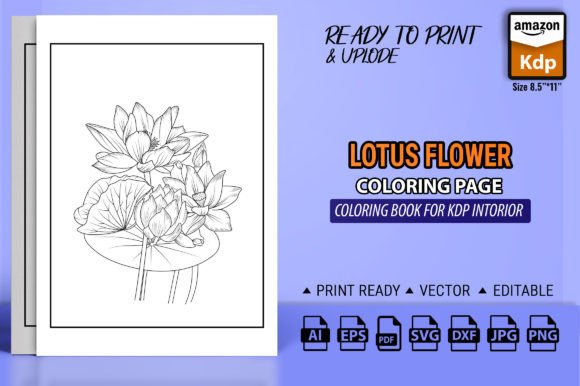
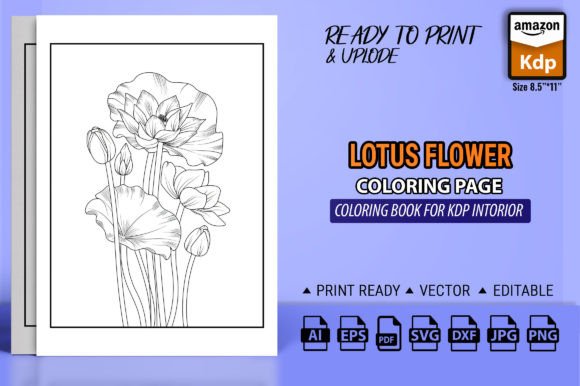
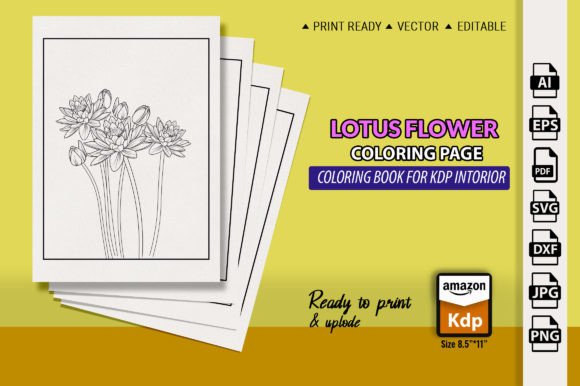
When I first opened Lotus Flower Coloring Pages Books Kdp, what struck me immediately was how calm and intentional the composition felt. This is not a rushed collection of flower outlines thrown together for bulk. The water lily shapes have a measured, botanical quality that reads as thoughtful rather than generic. As someone who has tested hundreds of design assets before committing thread to fabric, I look for that quiet confidence in a layout. This one has it.
The vector origins show. Lines are crisp, petals layer with a natural rhythm, and the proportions hold up well when you zoom in. Because these were built in Adobe Illustrator and sized at 8.5×11 inches, the structure translates cleanly into the kind of artwork that embroidery digitizers can interpret without excessive node cleanup. For a machine embroidery design workflow, that matters more than most people realize.
The mood lands somewhere between meditative and market-ready. It whispers spa, mindfulness, boutique gifting, and calm home decor. If your brand leans toward natural wellness, handmade rituals, or soft botanical aesthetics, this visual personality fits without forcing anything.
Why This Lotus Design Feels Right for Embroidery Projects
Not every printable coloring page belongs on stitched fabric. Some designs are too dense with micro-details, others rely on shading that simply does not exist in thread. Lotus Flower Coloring Pages Books Kdp avoids that trap. The petal shapes are distinct enough to hold their own as fill stitch zones, and the open centers invite creative thread choices without demanding impossible precision.
I also appreciate that the lotus theme carries universal recognition. Whether you sell at a coastal market, a wellness pop-up, or an online boutique, the water lily reads as serene rather than niche. That broad appeal helps when you are calculating how many finished products a single digital embroidery file can support across your catalog.
Real Case: Stitching a Custom Linen Pillow Cover
Let me walk you through a practical scenario. I had a client request a set of embroidered pillow covers for a yoga studio reception area. The brief was simple: something botanical, something calming, nothing that looked mass-produced. I pulled up Lotus Flower Coloring Pages Books Kdp and started testing placements on a natural linen base.
I chose a single lotus motif from the collection, enlarged it slightly to fill a 6×10 hoop area, and ran a sample on medium-weight linen with a cutaway stabilizer. The petal contours stitched out with smooth satin stitch edges, and the center detail held clarity even at a slightly reduced size. The linen texture added just enough grip to keep the fill stitch from sinking, and the finished pillow looked like a premium boutique item rather than a craft experiment.
The client loved it. More importantly, the stitching time was predictable, the thread changes were minimal, and the result photographed beautifully for the studio's social media. That is the kind of real-world win I chase when evaluating any design assets collection.
Where This Design Shines Brightest
Based on how the artwork behaves during digitizing and stitching, I would confidently place Lotus Flower Coloring Pages Books Kdp on these products:
- Tote bags — canvas or cotton blends hold the stitch definition well, and the lotus shape fills a bag face beautifully without overwhelming the proportions.
- Pillow covers — especially linen, cotton drill, or even lightweight denim. The organic curves soften a square product.
- Tea towels and kitchen linens — a single lotus motif near the corner or centered on a folded towel creates an elevated, giftable look.
- Aprons — the design works nicely on bib-style aprons where you need a focal point without crowding the neckline.
- Nursery decor — soft thread palettes on pastel fabrics turn this into a gentle, baby-appropriate motif for blankets or wall hangings.
- Holiday gifts — think spa sets, embroidered eye pillows, or personalized relaxation kits with a stitched lotus accent.
In each case, the lotus motif carries enough visual weight to stand alone. You do not need to pair it with text or borders, though it plays nicely with both if your craft business style leans decorative.
Candid Thoughts on Where to Use Caution
Every design has limits, and I would rather tell you upfront than let you discover them mid-project. Here is where Lotus Flower Coloring Pages Books Kdp needs a more careful hand:
- Small hoop sizes — if you try to squeeze the full lotus into a 4×4 hoop, the petal details will compress and some stitch density issues may surface. I recommend selecting a portion of the design or scaling with digitizer adjustments.
- Stretchy fabrics — knits and performance blends can distort the petal symmetry if your stabilizer choice is too light. Use a firm cutaway and baste carefully.
- Dark fabrics — the lotus reads beautifully on light and mid-tone backgrounds, but on black or deep navy, thread contrast becomes critical. Test your thread colors on a scrap before committing.
- Curved surfaces like caps — the wide, radial petal structure may warp on a cap crown. If you must stitch it on headwear, consider a simplified version or move the design to the side panel.
- Thin or delicate fabrics — silk, chiffon, and lightweight rayon can pucker under the satin stitch density. Always test on a similar fabric weight first.
These are not dealbreakers. They are simply the realities of working with floral embroidery file designs that have organic, spreading shapes. A little preparation goes a long way.
How This Design Affects Product Value and Customer Trust
When a buyer scrolls through your Etsy seller listings or browses your craft fair table, they make split-second judgments about quality. A poorly stitched or awkwardly placed design can erode trust instantly. Lotus Flower Coloring Pages Books Kdp gives you a strong foundation. The symmetry reads as professional. The botanical theme signals care. Even before someone touches the fabric, the visual balance suggests a handmade product worth the price.
I have noticed that floral embroidery, especially lotus and water lily motifs, tends to perform well in the gifting market. People buy embroidered lotus items for housewarmings, yoga teacher thank-yous, and self-care bundles. The design carries meaning without needing explanation. That embedded recognition adds value to your finished product before you write a single word of marketing copy.
Practical Designer Notes Before You Stitch
Here are the steps I follow — and recommend you follow — when preparing any Graphics or Coloring Pages Amp artwork for embroidery, including this one:
- Test on scrap fabric first. Always. Even if the design looks perfect on screen, thread behaves differently under tension.
- Check thread color contrast. Light petals on light fabric can disappear. Dark outlines on dark fabric can muddy. Test two or three thread palettes.
- Review stitch density settings. If you are digitizing from the vector artwork, watch for overly dense satin columns that can perforate the fabric.
- Confirm your hoop size and do a trace before stitching. The 8.5×11 inch source artwork gives you room to scale, but know your machine's limits.
- Inspect small details. The lotus center has fine elements. Make sure your digitizing preserves them without creating thread nests.
- Test in black and white mockups. This reveals whether the design holds its shape without color distraction — useful for product photography previews.
- Compare light and dark fabric backgrounds. A design that sings on cream can fall flat on charcoal. Run side-by-side samples.
- Use proper stabilizer. For most applications with this design, a medium cutaway works reliably. Adjust for fabric type.
One more note: since this product is described as a digital printable for KDP interior use, the commercial embroidery application depends on how you handle the digitizing step. The artwork is a starting point. You will need to create or commission the actual stitch file. Confirm that your intended use — personal projects, client work, or Etsy seller merchandise — aligns with the licensing terms provided by the seller. If those terms are not clearly stated, ask before listing finished products.
Does It Work for Digital Product Sellers and Mockups?
Yes, and this is an angle worth exploring. Because the original artwork comes as a clean vector at 8.5×11 inches, it can serve double duty in your printable mockup and digital embroidery file workflow. You can use the same lotus artwork to create product listing previews, social media graphics, and packaging inserts while the embroidered version stitched on fabric handles the physical product side. That consistency across digital and physical touchpoints strengthens brand consistency and gives your small shop product lineup a cohesive look.
Final Practical Thoughts From the Stitching Table
I have worked with enough floral design assets to know that beauty on screen does not always translate to beauty in thread. Lotus Flower Coloring Pages Books Kdp earns its place in my recommended folder because the structure is sound, the theme is versatile, and the results on stitched products hold up to scrutiny. The lotus motif is not trendy in a way that will fade next season. It is a quiet, enduring symbol that fits personalized gift projects, boutique branding, and holiday embroidery collections equally well.
If you are an apparel decorator looking for a floral focal point that does not scream for attention, or a craft business owner building a product line around mindfulness and natural beauty, this design deserves a spot on your test list. Run a sample, photograph it on a few different products, and watch how buyers respond. I suspect you will be pleasantly surprised by how much quiet confidence a single lotus can bring to your finished product.