Mandala Animal KDP Vol30 Graphics: Coloring Pages Amp
First Impressions and the Calm Niche Appeal
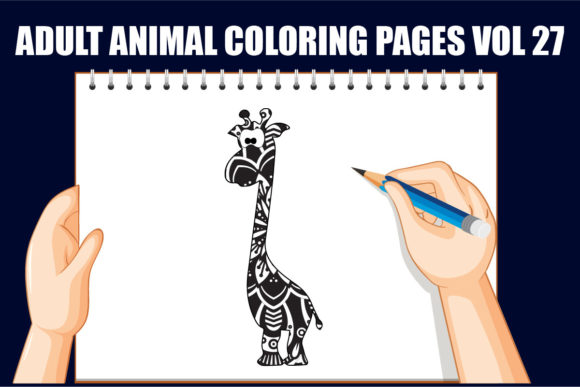
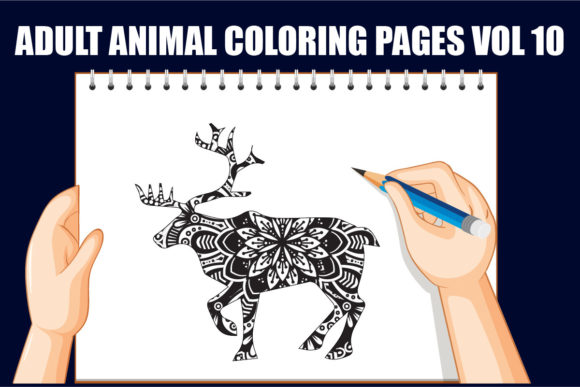
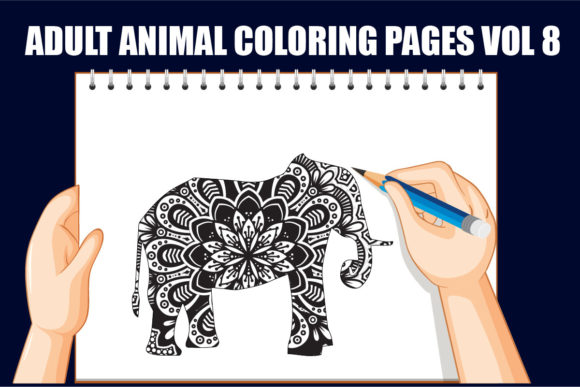
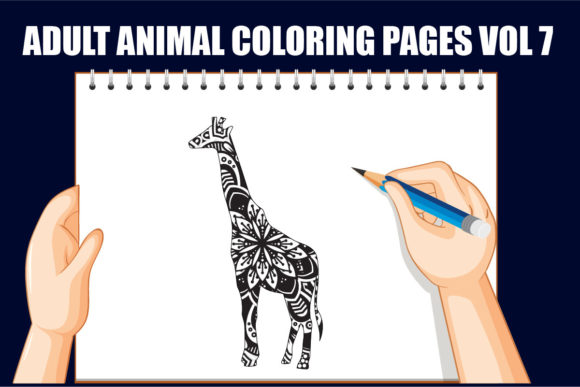
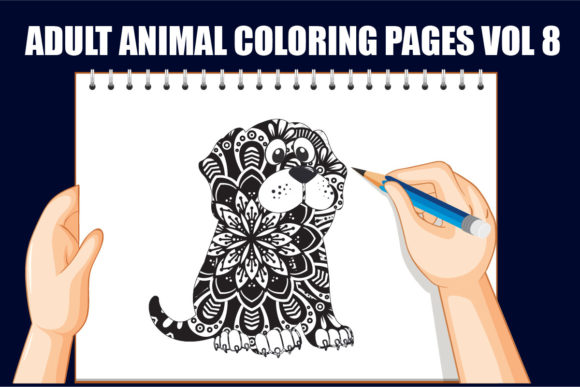
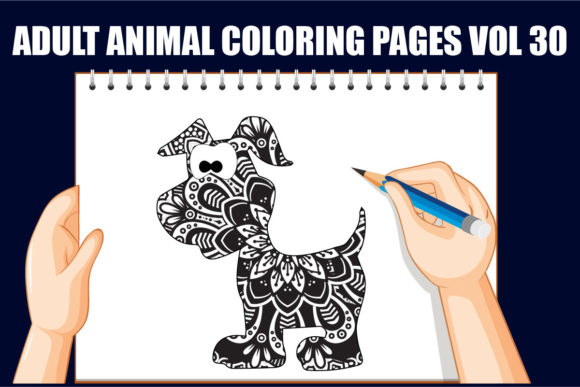
When I unzipped Mandala Animal - Coloring Book KDP Vol30, I immediately saw a clean, intricate set of mandala-style animal illustrations that feel both meditative and marketable. The linework is detailed but not cluttered, which is a sweet spot for printable coloring products. This graphics asset sits comfortably in the coloring pages amp category—meaning it’s designed for adult relaxation, mindfulness, and crafty down-time. As a seller, I’m not just looking for pretty art; I need designs that can transition across merch, digital downloads, and paper goods without losing their impact. The animals here range from a majestic wolf to a delicate hummingbird, all wrapped in symmetrical mandala patterns. The mood is elegant and slightly bohemian, with a touch of nature-inspired whimsy. It will attract the kind of buyer who loves spiritual decor, jungle nursery themes, or sophisticated self-care printables. If you’re stocking a creative marketplace like Etsy or Creative Fabrica, this fits right into the mindfulness coloring niche that spikes every holiday season and during stress-awareness months.
Testing the Asset Across Real Product Ideas
Before I list anything, I test a design across three mock products—one print, one digital, one physical merch. Here’s how Mandala Animal - Coloring Book KDP Vol30 performed.
From SVG to Sublimation: What Worked Immediately
The SVG format opened cleanly in my Cricut Design Space, with no broken paths or orphan points. I cut the lion design on adhesive vinyl for a tumbler wrap, and the fine details held up surprisingly well. For shirts, I used the PNG transparent version to create a sublimation transfer on a light grey tee. The mandala lines stayed crisp, and the design needed no extra cleanup. The EPS file imported smoothly into Illustrator, which is a big plus for designers who customize layouts. True to the product description, these files are ready for shirts, mugs, bags, and decals without a headache. The transparent PNG also let me layer the art over a watercolor background for a printable wall art mockup, and it looked like a premium Etsy product.
The KDP and Printable Angle
For a coloring book creator, the real test is whether the line art prints cleanly on standard paper. I printed a few pages at 300 DPI on a laser printer. The outlines were dark enough for coloring, and the negative space wasn’t overpowering. The drawings are complex enough to hold an adult’s interest but not so microscopic that they’d frustrate. I can see these selling as a bundled KDP coloring book, a set of single-page PLR printables, or even as a Canva template element for planners. The commercial license (always confirm the seller’s terms) lets you package them into a physical book or a digital download collection. That’s a clear path to passive income.
Where the Design Shines in Product Presentation
One of the most underrated skills in online selling is making a thumbnail that stops the scroll. The animal mandala graphics have a built-in visual hierarchy: the outer patterns draw the eye inward to the animal’s face. When I placed the design on a mockup of a white ceramic mug, the contrast was strong and the thumbnail read instantly even in a small Etsy search result. Similarly, on a sunset-color tote bag mockup, the intricate lines gave a handcrafted, premium feel. I’d use these assets confidently for:
- Etsy listing images for digital coloring books
- Facebook and Instagram promotional graphics
- Product bundle previews for Creative Fabrica
- Blog post featured images for mindfulness topics
- Pinterest pins with a calming, earthy palette
Visual consistency is a form of brand trust. If you sell a mix of printable wall art, sticker sheets, and t-shirt designs, these mandala animals can tie a collection together under a single, recognisable style. Just pair them with the right font: a clean sans serif for modern minimalism, a soft script for a feminine touch, or a rustic display font for a boho market vibe.
Where to be Cautious (and Save Yourself Time)
No design asset is a one-size-fits-all miracle. Here’s what I learned from test runs that could trip up a new seller.
Small Scale and Cutting Complexity
While the SVG cut beautifully on a 12-inch decal, shrinking it down to a 2-inch sticker for a laptop skin made some mandala lines too thin. Cricut machines can snag on extremely fine details. If you’re creating sticker sheets or mini journaling elements, I’d recommend thickening the lines slightly in a vector editor before cutting. The same goes for small-scale screen printing; the intricate lines might fill in or blur. Use the design large on tote bags, full-front shirts, or journal covers, and be cautious with tiny applications.
Dark Backgrounds and Contrast
The black line art disappears on dark merchandise. The PNG is transparent, so you’ll need to invert the colors or add a light offset if you’re printing on charcoal mugs or navy shirts. For sublimation on dark fabrics, this isn’t an issue because you print on a white base, but for standard heat transfer vinyl, you’d need to adjust. Always preview the design on both a white and dark mockup before publishing a listing.
File Organization and Customer Experience
You will receive this design in PNG transparent, EPS, and SVG formats. The included note asks you to make sure your software is compatible to open the file types—a smart reminder. I extracted the files and found them well-labeled. For your own shop, I suggest renaming the files to something descriptive like “Mandala-Wolf-Coloring-Page-SVG” so customers don’t get confused. If you’re selling a bundle, provide a clear PDF guide. Nothing kills a review faster than a customer who can’t open an EPS file and blames you.
Building a Collection Around This Asset
Let’s imagine a real shop scenario. I’m prepping a summer mindfulness collection for my Etsy store. I’d take the Mandala Animal - Coloring Book KDP Vol30 and do this:
- Create a digital coloring book with 10 animals, PDF format, and list it as a printable download.
- Pull the PNG files into Canva and design a set of 5×7 printable wall art, offering a boho bedroom set.
- Use the SVG to cut iron-on vinyl for a nature-themed tote bag, photograph it on a real bag, and list it on Printify or Redbubble.
- Design a mug wrap using the elephant mandala, mock it up on a ceramic mug, and sell it as a gift for yoga lovers.
- Create a social media template pack for wellness coaches, using the same animal motifs as decorative elements.
That’s five products from one asset, all with a consistent brand voice. The key is to test each product type with a real prototype before scaling. The graphic itself is a graphic design asset, but the value comes from how you package and present it for a specific buyer.
Final Seller Notes From a Commercial Angle
If you’re selling on a print-on-demand platform, the PNG file is your workhorse. Import it into a product mockup, check the resolution at the final print size—these images are high enough for a 12×12 inch frame without pixelation. For Cricut crafters, the SVG is the star, but always do a test cut on cardstock first to see if any inner loops need simplification. The EPS file is a bonus for designers who want to recolor or modify the lines in Adobe Illustrator. I’ve seen too many sellers skip the step of confirming commercial rights. The product description implies commercial use, but I always reach out to the seller to get explicit permission for KDP and print-on-demand. That small step protects your shop from take-downs.
To maximize perceived value, pair the designs with relevant font pairings: a delicate serif for wall art titles, a clean sans serif for product tags, and a handwritten script for greeting cards. The mandala style is decorative enough that text should breathe around it. Don’t crowd the composition.
Finally, remember that the coloring pages amp market is huge, but it’s also competitive. What sets your listing apart is the mockup. Show the design on a real coffee mug, a tote bag being carried, a framed print on a nursery wall. The animal mandala motif has an emotional pull—people buy it for relaxation, for nurseries, for gift-giving. Lean into that storytelling in your product photography, and you’ll turn a simple graphic into a bestseller.