Daisy Flower Coloring Page Books: Graphics & Amp Review
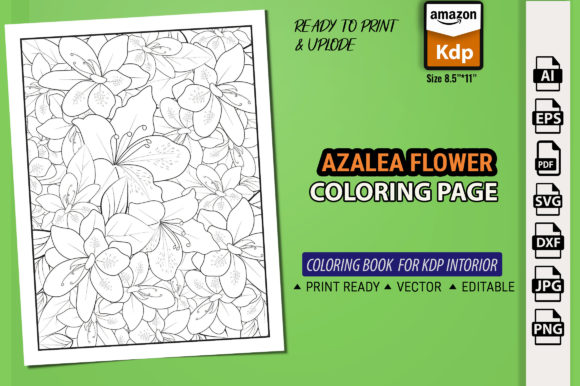
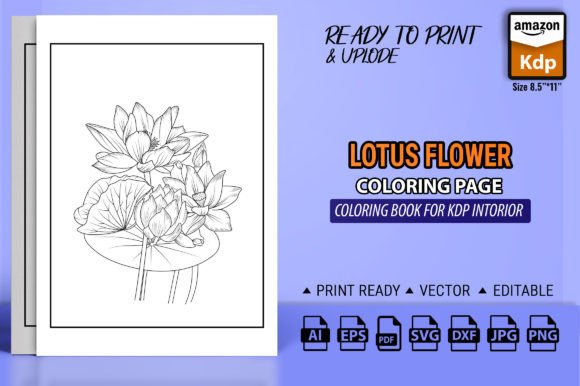
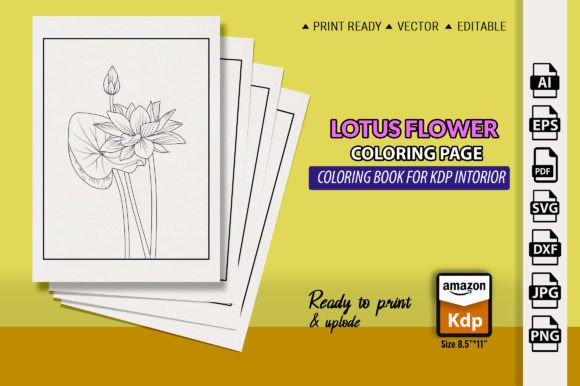
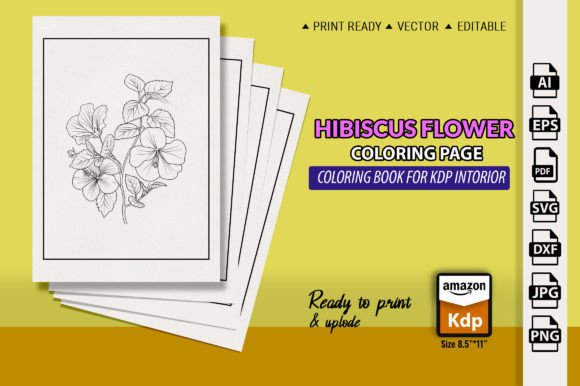
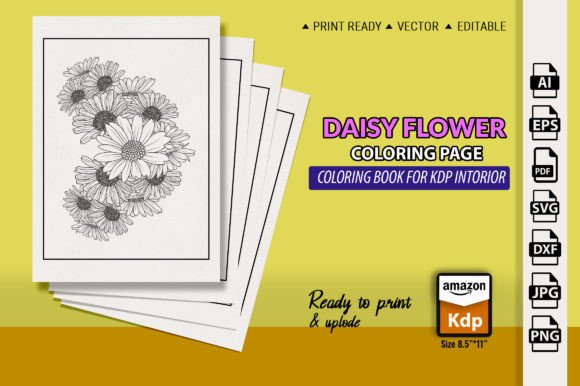
When I downloaded the Daisy Flower Coloring Page Books graphic asset, I was in the middle of preparing a fresh spring collection for my Etsy shop. I needed something that felt calm, botanical, and just a little romantic—something that would translate beautifully onto everything from fabric totes to delicate sticker sheets. This set of daisy illustrations, originally designed as a coloring book interior for adults, immediately caught my eye. The fact that it’s a vector-based Adobe Illustrator file, sized at 8.5×11 inches, told me I could scale and adapt it far beyond the printed page. As a handmade business owner who relies on clean, versatile graphics for Coloring Pages Amp and beyond, I knew this asset had potential.
First Impressions: A Soft, Botanical Mood That Sells
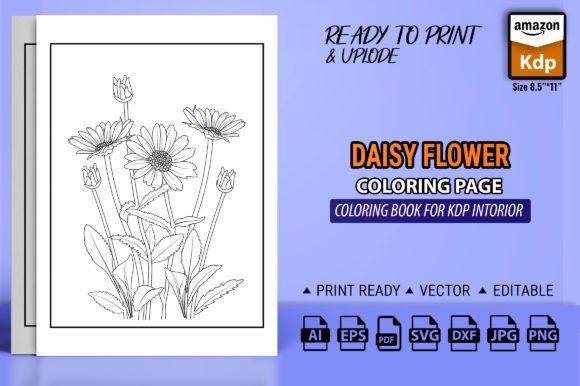
The daisy drawings are intricate but not overwhelming. They have that hand-drawn, slightly whimsical quality that works so well for adult coloring books, yet the lines are crisp enough to hold up in a Cricut or Silhouette cut file. The mood is gently feminine and natural, with a hint of rustic charm—think cottagecore, prairie style, or sunny afternoon garden parties. I could instantly picture this art on a set of linen-feel note cards, a soft blush tumbler wrap, or a clear sticker decorating a journal. This is the kind of design that attracts buyers looking for something soothing and elegant, the same customers who love dried flowers, handwritten fonts, and neutral palettes. It’s not overly playful or childish; it’s refined, making it a great fit for handmade items aimed at adults or older teens.
How I Plan to Use This Asset in My Handmade Shop
Having a reliable graphic design asset like this opens up a dozen product ideas. Here’s exactly how I’m incorporating the Daisy Flower Coloring Page Books into my craft workflow:
- Sublimation mugs and tumblers: I’ll print the daisy pattern in soft sepia or lavender onto a glossy mug. The coloring-book style lines make it look like a hand-drawn illustration, which customers love.
- T-shirt and tote bag designs: Using the PNG with transparent background, I can place a single daisy cluster on a pocket area or a full repeating pattern. It pairs beautifully with a short serif quote or a simple script word like “grow.”
- Sticker sheets and planners: I’ll resize the flowers to create small decorative stickers for planners, laptops, and water bottles. The clean outlines mean they’ll look great even when printed small, though I’ll test the thinnest lines first.
- Greeting cards and gift tags: These daisies are practically made for stationery. I’ll print them on textured cardstock, add a brief handwritten message, and package them as a set. Perfect for spring markets or Mother’s Day.
- Printable wall art and digital downloads: Since the asset is already in 8.5×11 inches, I can offer a ready-to-print coloring page or a softly colored version as an instant download. This is a great way to expand my digital product line without extra inventory.
- Party decor and favors: I’ll cut the daisy shapes from adhesive vinyl for custom napkin rings, favor bag tags, or even a “color your own” tablecloth activity for a bridal shower.
Why Vector Files Make a Crafting Difference
The fact that these flowers are built in Adobe Illustrator means I’m working with true SVG design and clipart that can scale infinitely. When I opened the file in my cutting software, I breathed a sigh of relief: the paths were clean, without stray nodes or jagged edges. That’s not always the case with free artwork. For a Cricut project or Silhouette project, clean vector lines are the difference between a smooth cut and a frustrating weeding session. I always inspect the outline view and test a small cut on scrap vinyl before committing to a full sheet. The PNG design version, with its transparent background, is equally important for layering in mockups or for print-on-demand platforms where I need a sharp, isolated image.
From Coloring Book to Commercial Product: What to Check
Just because an asset is sold as a coloring book interior doesn’t mean it’s ready for every handmade application. Here’s the real-world checklist I run through every time I buy a graphic design asset like Daisy Flower Coloring Page Books:
- Test the thin lines: Some of the daisy petals have delicate interior strokes. I’ll cut a sample at three different sizes to see where the vinyl starts to tear. For very small stickers, I might thicken the lines slightly or simplify the design.
- Check color contrast: In a coloring book, the lines are black by default. For a mug or t-shirt, I might change the line color to white, navy, or gold. I always preview it on a dark background to make sure it pops.
- Confirm the resolution for sublimation: The PNG at 300 DPI is crisp enough for a 10-inch tumbler wrap, but if I want to go larger, I’ll rely on the vector version. I never upscale a raster file for sublimation—it just leads to fuzzy prints.
- Review the commercial license: This is non-negotiable. I need to know I can use the art on products I sell, whether on Etsy, at a craft fair, or in a wholesale order. The commercial license terms must allow physical end products and, ideally, print-on-demand use. I always keep a copy of the license in my business files.
- Place it on real product mockups: I create a few quick mockups in my design software—a tote bag, a mug, a sticker on a notebook—to see how the design feels in context. The daisies looked instantly at home on a natural linen background, so I’ll lean into that earthy aesthetic.
Where This Daisy Design Truly Shines
In my experience, the Daisy Flower Coloring Page Books asset works best for projects where the illustration can be the star. Think large printable canvases, full-coverage tote prints, or the centerpiece of a greeting card. The 8.5×11 inch format is ideal for printable design because it needs no resizing for standard paper, saving time. The floral motif also lends itself beautifully to seasonal craft bundles, spring gift collections, and anything that pairs with botanical or rustic branding. I’ve already started using it alongside a soft serif font and a kraft paper texture for a cohesive small business branding look across my packaging and thank-you cards.
It also handles repeated patterns surprisingly well. I can tile the daisies into a seamless repeat for fabric-like backgrounds, which is perfect for wrapping paper, drawer liners, or even a custom phone case. The versatility of a single illustration asset like this is what keeps my product line fresh and my costs low.
Places to Be Careful and Adjust
Not every design idea will work straight out of the folder. I’ve learned to be extra cautious with intricate SVG design files when cutting heat-transfer vinyl. The tiny dots and internal petal lines can shift or lift during weeding, especially if the design is under three inches wide. For layered vinyl projects, I avoid overlapping too many thin elements because alignment becomes a nightmare. When I do use this for a t-shirt design with multiple colors, I simplify the composition to two or three main shapes and skip the finest details.
Similarly, when printing for a sticker design smaller than two inches, I test the print quality first. The thin lines can become muddy on some inkjet printers, so I’ll slightly increase the line weight or choose a matte sticker paper that holds the crisp edge. For sublimation design on dark shirts, I remember that the artwork will only show up well if the shirt is light-colored or if I use a white toner printer. These are not flaws of the asset—they’re just realistic considerations every crafter should make.
Pairing Fonts and Layouts for a Cohesive Look
One of the joys of working with a botanical graphic design asset is experimenting with typography. The daisy artwork has a soft, organic feel that pairs wonderfully with a dozen different font styles. I’ve created a quick guide for myself:
- Serif fonts: A classic serif like Baskerville or Playfair Display adds a timeless, literary quality. Great for wall art or bookmarks.
- Sans serif fonts: A clean, modern sans serif keeps the look light and airy. Perfect for minimalist mug designs.
- Script and handwritten fonts: A flowing script can mirror the curves of the petals, making the entire design feel romantic and personal. I use this combination for wedding signage and custom stationery.
- Display fonts: For a bold statement, a chunky display font with rounded edges creates a playful contrast against the delicate daisies. Ideal for t-shirts or tote bags aimed at a younger crowd.
I always test the layout with the actual artwork because the visual weight of the flowers can change how the text reads. A little breathing room goes a long way.
Expanding My Handmade Business with One Asset
What I appreciate most about Daisy Flower Coloring Page Books is how it stretches my creative marketplace offerings. I can use the same set of flowers to create a physical sticker pack, a digital coloring page, a sublimation shirt, and a set of gift tags—all from one purchase. That kind of efficiency is crucial for a small handmade business. I’ve already listed a few items in my Etsy shop using this art, and the early feedback confirms that customers love the gentle, adult coloring vibe. It fills a gap between childish cartoons and overly formal floral photography.
For crafters who sell at in-person markets, envision a table display where every item carries a consistent daisy thread: a banner with a large colorable daisy, sample cards for customers to take home, and a sign that says “spring collection” in that same elegant script. This is a design asset that helps build a cohesive brand story without requiring a huge investment in multiple art styles.
Final Workflow Tips from My Studio
Before I put any product into production, I follow a few habits that have saved me from wasted materials and disappointed customers. With the Daisy Flower Coloring Page Books asset, I’ve done the same:
- Open the vector file first: I inspect every path, remove any hidden layers, and combine overlapping shapes. This prevents double-cut lines on my machine.
- Test a small batch: I print or cut just two or three items, not a full run. I check for color accuracy, alignment, and how the material holds up.
- Create a style guide: I note the exact hex codes, font names, and placement ratios I used. This keeps my collection consistent if I want to add more products later.
- Keep the original file safe: I back up the purchase files in a dedicated folder with the license information. I never work directly on the original.
- Listen to customers: If someone asks for a smaller version or a different color, I already have the vector file ready to adapt. Custom orders become easy.
If you’re a crafter, Etsy seller, or small business owner looking for a floral graphic design asset that bridges the gap between a meditative coloring page and a polished commercial product, Daisy Flower Coloring Page Books is worth a serious look. It’s not just a Coloring Pages Amp download—it’s a versatile set of graphics that can elevate your entire handmade line. Just remember to test, tweak, and always respect the licensing terms. That’s how you turn a simple daisy into a blooming business.