Evaluating Line Art Swirl Mandala Designs for Real Embroidery Projects
As a designer who regularly uses digital art for embroidery work, I’m always looking at bundles like the Line Art Swirl Mandala Coloring Page KDP with a practical eye. These aren't just coloring pages; they’re potential design assets for a wide range of stitched products. Let's walk through how these five mandala designs might translate from screen to thread in real-world projects.
The First Impression: Calm Complexity for Custom Goods
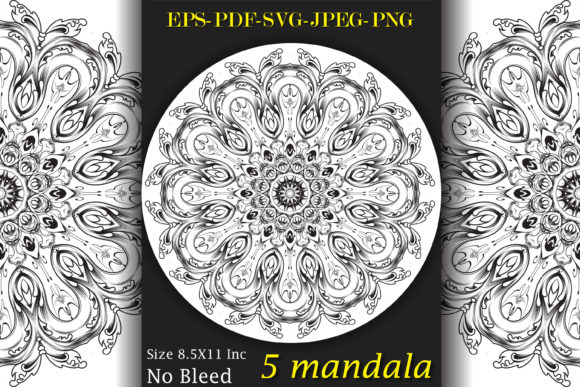
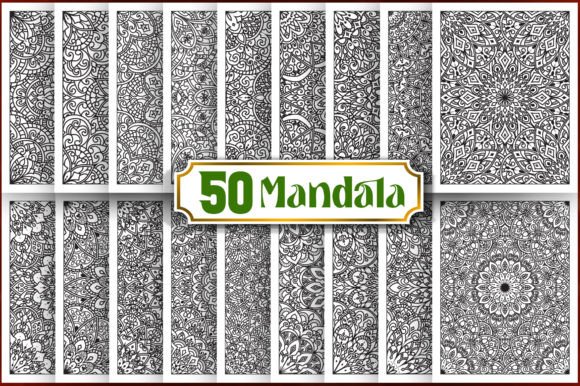
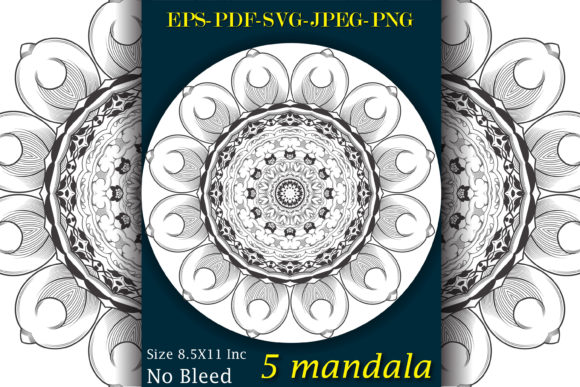
Open these files and you’ll see a collection of swirling, intricate line art mandalas. The mood is immediately meditative and artistic—a perfect aesthetic for personalized gifts and boutique merchandise. The designs have a balanced layout, with dense central details flowing into lighter outer swirls. This creates a natural focal point, which is excellent for embroidery where you want the eye to land on the center of a sweatshirt or the front of a tote bag. The detail level is high, but the lines are clean and defined, which is promising for stitch clarity. They feel modern yet timeless, a visual personality that would resonate with clients looking for something unique but not overly trendy.
Where These Mandalas Would Stitch Up Beautifully
Picture a custom order for a wedding gift: an embroidered linen pillow cover with a couple’s initials integrated into the mandala’s center. These swirl designs offer that perfect, elegant framework. Their symmetrical nature makes them incredibly versatile for:
- Custom apparel: A larger mandala centered on a premium cotton t-shirt or the back of a hoodie creates a high-value, handmade presentation.
- Tote bags and aprons: The designs have enough complexity to look professional on a canvas tote, elevating a simple bag into a craft fair standout.
- Home decor: As a focal point on a tea towel or a blanket corner, they add an artistic touch to kitchen or nursery items.
- Patches and caps: The circular format naturally suits a patch, and a simplified version could be adapted for the curved surface of a cap.
- Digital product previews: For Etsy sellers creating printable mockups or branding assets, these clean line arts serve as superb, recognizable graphics.
The key is that the design’s visual appeal translates directly into perceived product value. A well-executed embroidery of this mandala on a baby blanket, for instance, feels like a cherished heirloom, boosting customer trust and engagement.
Practical Considerations for Stitching Success
While the designs are beautiful, their successful transition to embroidery depends on thoughtful execution. The intricate swirls and potential for dense stitch areas in the centers require a practical approach.
For a real-life scenario, imagine you're preparing a batch of embroidered tote bags for a small shop's holiday collection. You choose one of the more detailed mandalas from this bundle. Here’s how I’d think through the project:
- Test on scrap fabric first. Always hoop a scrap of your bag’s canvas material and run a test. This reveals how the fine lines translate as running stitches or satin stitches and if any corners are too sharp for smooth stitching.
- Stitch density and stabilizer are crucial. The central swirls could become very dense. You might need to adjust the embroidery file settings or use a firm stabilizer to prevent puckering, especially on thinner fabrics like t-shirts.
- Thread color contrast makes all the difference. These are line art designs, so contrast is key. On dark fabric, a bright white or gold thread would make the mandala pop. On light fabric, a deep navy or forest green could create a sophisticated look.
- Hoop size matters. The larger mandalas will need a corresponding hoop. Ensure your machine and the physical product (like a sweatshirt) can accommodate the full design without compromising the garment's drape or comfort.
Where to Exercise Extra Caution
Not every project is the right canvas for intricate line work. The Line Art Swirl Mandala Coloring Page KDP designs should be used carefully on:
- Very small hoop sizes: Trying to shrink a complex mandala onto a 3" x 3" patch might lose clarity and become a muddy blob of threads.
- Highly textured or stretchy fabrics: Detailed swirls on a loose knit sweater or a terry cloth towel can distort unless stabilized perfectly.
- Products needing frequent washing: On items like kitchen towels, consider using durable threads and possibly simplifying the design to ensure longevity.
- Dark fabric backgrounds without proper planning: As mentioned, contrast is essential. A low-contrast thread choice on dark fabric can render the beautiful detail invisible.
Embroidery Designer Notes for Commercial Use
If you’re a creative entrepreneur using this for commercial embroidery or selling finished products, a few extra steps ensure professionalism and brand consistency.
- Check the licensing terms for the bundle. Confirm it’s suitable for creating and selling physical handmade products or for use in your digital embroidery file listings.
- Create black and white mockups. See how the design looks in a simple graphic preview for your Etsy listing or website. Its line-art nature should show up cleanly.
- Think about series potential. With five different mandalas, you could create a cohesive product line—a set of embroidered pillow covers, each with a unique mandala, enhances your shop’s curated feel.
- Always inspect the small details in your test stitch. Are the tiniest swirls still clear? This affects the final product’s giftability and perceived craftsmanship.
In the end, the Line Art Swirl Mandala Coloring Page KDP bundle offers strong foundational graphics for embroidery projects. Their success hinges on your skill in translating digital lines into physical thread, choosing the right fabric and application, and always testing first. When paired with thoughtful execution, these mandalas can become the centerpiece of stunning custom apparel, memorable personalized gifts, and valuable stock for any craft business.