Evaluating Poppy Flower Designs for Real Embroidery Projects
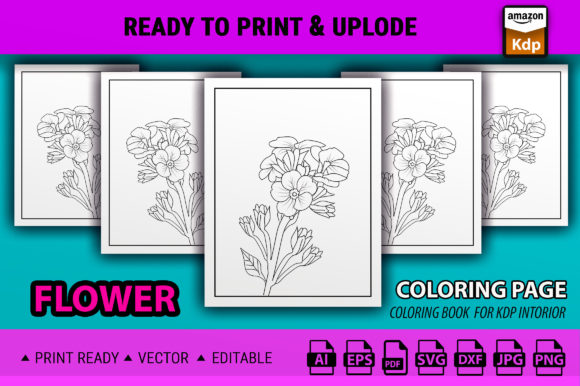
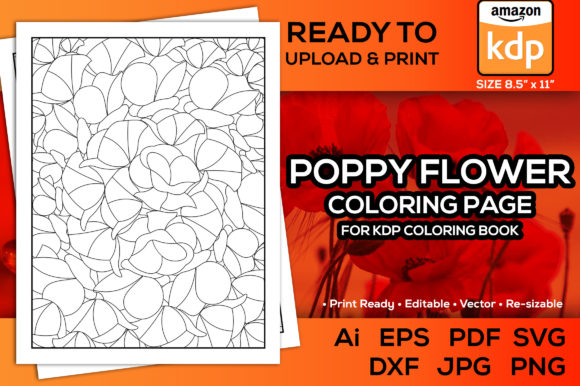
When you're looking at a new design asset for your embroidery work, the first thing you do isn't reading the description; it's feeling the mood. So, let’s talk about the mood of this Poppy Flower Coloring Pages Book. Right away, you get a sense of something friendly and inviting. The shapes are bold, the lines are clean, and the overall personality leans toward cheerful and accessible. This isn't a hyper-realistic botanical study; it’s a graphic, simplified poppy. That tells me it’s probably going to translate wonderfully into embroidery, where clean, distinct outlines are your best friend.
Where These Poppy Flowers Would Bloom Best
I picture this design on a custom tote bag for a spring craft fair. The bold, graphic nature of the flowers would stitch up clearly, creating a product that feels handmade but also professionally designed. It’s the kind of motif that would work beautifully on a child’s sweatshirt or a nursery pillow cover—simple, sweet, and instantly recognizable without being overly fussy. For a small shop owner creating a line of kitchen towels or aprons, this poppy could become a lovely, consistent branding element. Its cheerful vibe makes it a strong candidate for personalized gifts, like a birthday patch on a denim jacket or a congratulatory embroidery on a baby blanket.
The fact that it's described as a vector illustration is a key point for us. That usually means the lines are clean and scalable, which is crucial when you’re adapting a design for different hoop sizes. You could likely scale this up for a statement piece on a pillow cover or down for a subtle accent on a cap without losing the essential character of the flowers. This flexibility is a real asset for a craft business.
Visual Appeal and Stitching Practicality
How does this design perform when it moves from screen to stitch? A graphic poppy, with its clear outlines and open spaces, promises good stitching clarity. The areas meant to be filled color would translate to satin stitch or fill stitch regions, and the outlines would be perfect for a running stitch detail. This kind of structure can really elevate the perceived value of a finished product. A customer looking at an embroidered tote bag with this design would see a crisp, intentional image—it builds trust in the quality of your handmade work.
For commercial embroidery projects or for an Etsy seller creating a range of products, this consistency is gold. You can imagine a series of items—tea towels, tote bags, patch sets—all featuring this poppy, creating a cohesive collection that feels deliberate and professional. That boosts giftability and buyer engagement; people understand the theme immediately.
Caution Zones and Designer Notes
Every design has its sweet spots and its tricky areas. With a graphic floral design like this, the detail level is likely moderate, but you always need to be mindful. If you’re planning to stitch this on a very small hoop size, say for a tiny patch, you must inspect how the smallest details, like the interior lines of the petals, will hold up. Stitch density in those areas could become too dense, making the fabric stiff.
Textured or stretchy fabrics, like some sweatshirt materials, might challenge the clean lines if your stabilizer choice isn't perfect. Embroidering on dark fabric would require careful thread color contrast planning to keep the design vibrant. And for products destined for frequent washing, like baby clothes or kitchen linens, you'd want to ensure the stitch coverage is solid enough to withstand wear without fraying.
Curved surfaces, like caps, are always a test. A bold graphic flower can work well there, but you need to check how the layout flows on the curve—sometimes a simplified design adapts better than a complex one.
Practical Steps Before You Hoop the Fabric
My strong advice for any new embroidery file, including this one, is to always run a practical test. Stitch it out on a piece of scrap fabric first. This isn't just about checking the machine embroidery design; it's about seeing the physical result. Review the actual stitch density. Does it feel right for your target fabric? Confirm your intended hoop size works with the design’s scale.
Check thread color contrast by testing it on both light and dark background scraps. This tells you more than any screen preview. Using proper stabilizer for your specific fabric is, of course, non-negotiable for clarity. Also, consider how it looks in simple black and white mockups for your online listings; a clean design should translate well even in a monochrome preview, which is great for creating printable mockups for your digital product store.
A crucial, often overlooked step: confirm the licensing. Before you sell finished items or use this in commercial embroidery projects for clients, you must know the terms. The description mentions it’s for Kdp and is a digital printable, but for our use in physical handmade products, we need to be certain we have the right to use it that way. Never assume.
The Final Impression for Your Craft Business
Evaluating the Poppy Flower Coloring Pages Book from the perspective of an embroidery designer, I see a versatile, mood-lifting graphic asset. Its strength is in its clear, friendly personality and scalable structure. It would fit naturally into projects aimed at bringing a touch of simple, joyful nature to everyday items. For the maker, the small business owner, or the hobbyist creating personalized gifts, it offers a solid foundation for a beautiful finished product.
The real value comes from applying it thoughtfully—choosing the right projects, being mindful of the fabrication challenges, and always doing your due diligence with testing and licensing. When used well, a design like this doesn't just decorate an item; it enhances the entire handmade presentation, telling your customer that care and consideration went into every stitch.